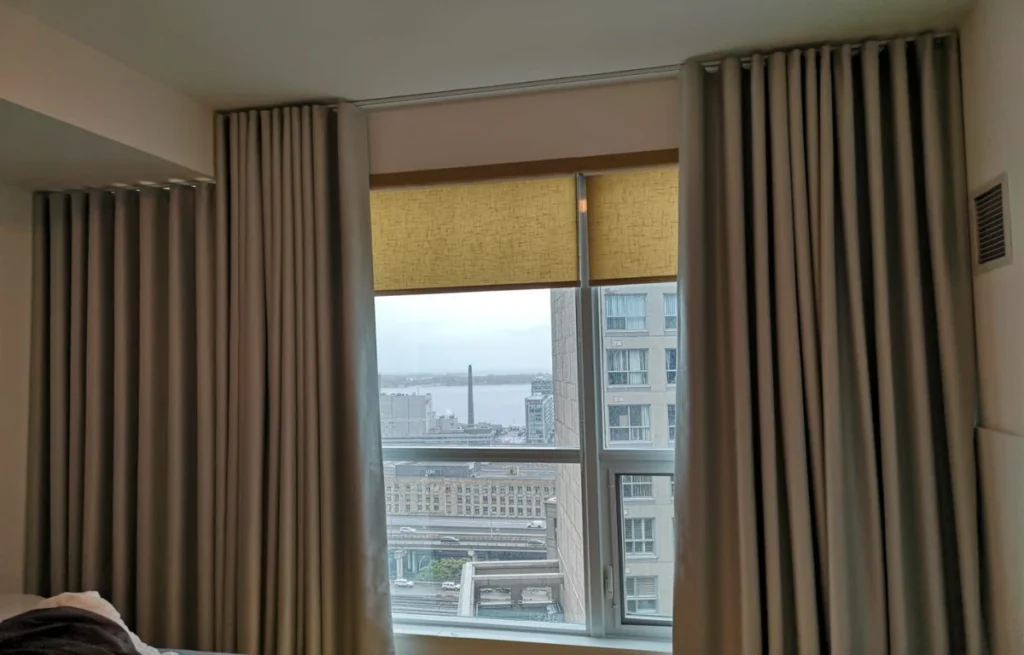
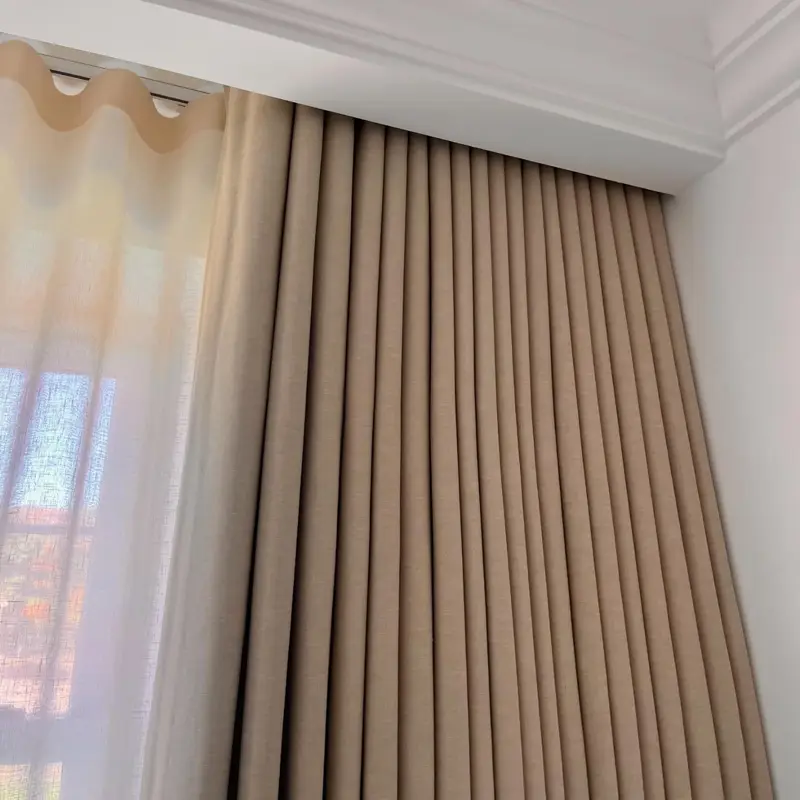
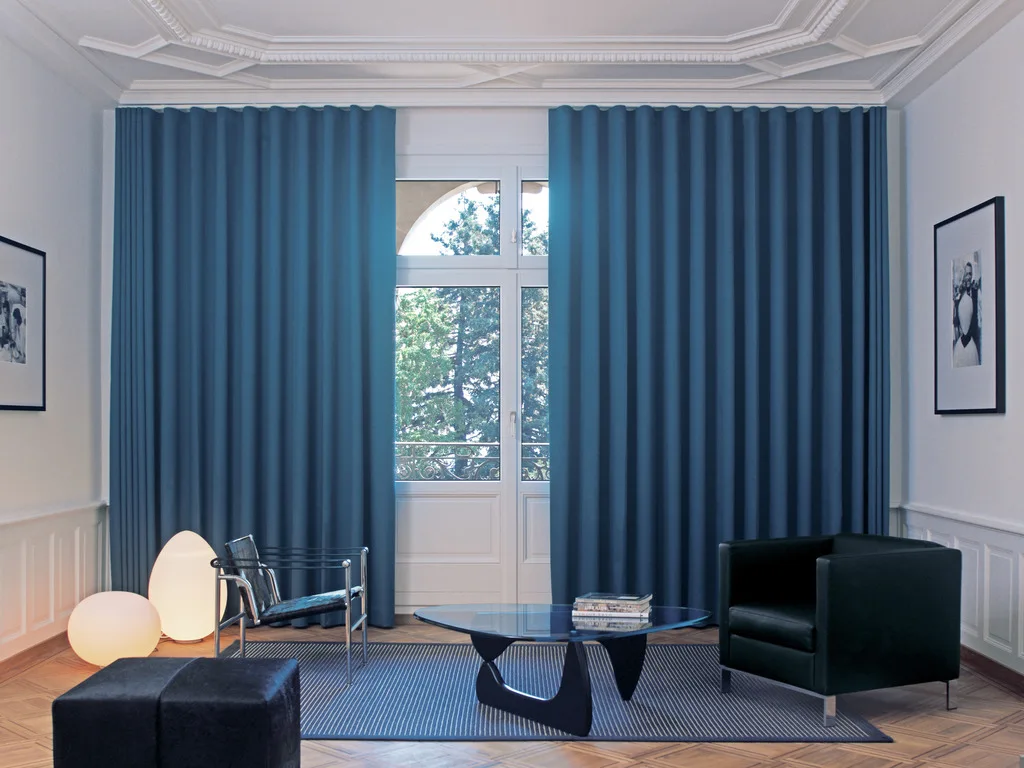
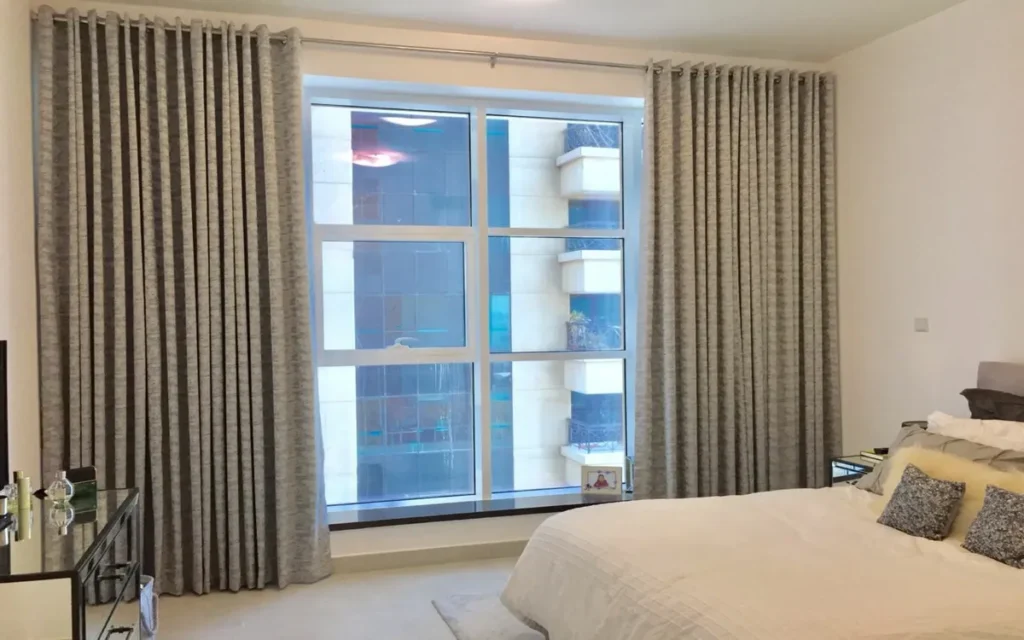
People often mess up when buying blackout curtains. They just pick the one that looks good, costs less, or has a cool photo. Nothing else gets checked. The material never even gets a second thought. Then they hang up their brand new curtains and wonder why the room is still bright enough to read in at sunrise. The truth is material plays a really big role when it comes to blackout curtains. Get it right and your curtains will actually do what they promised. Get it wrong and even the most beautiful curtain will let you down every single morning.
What Materials Make the Best Blackout Curtains?
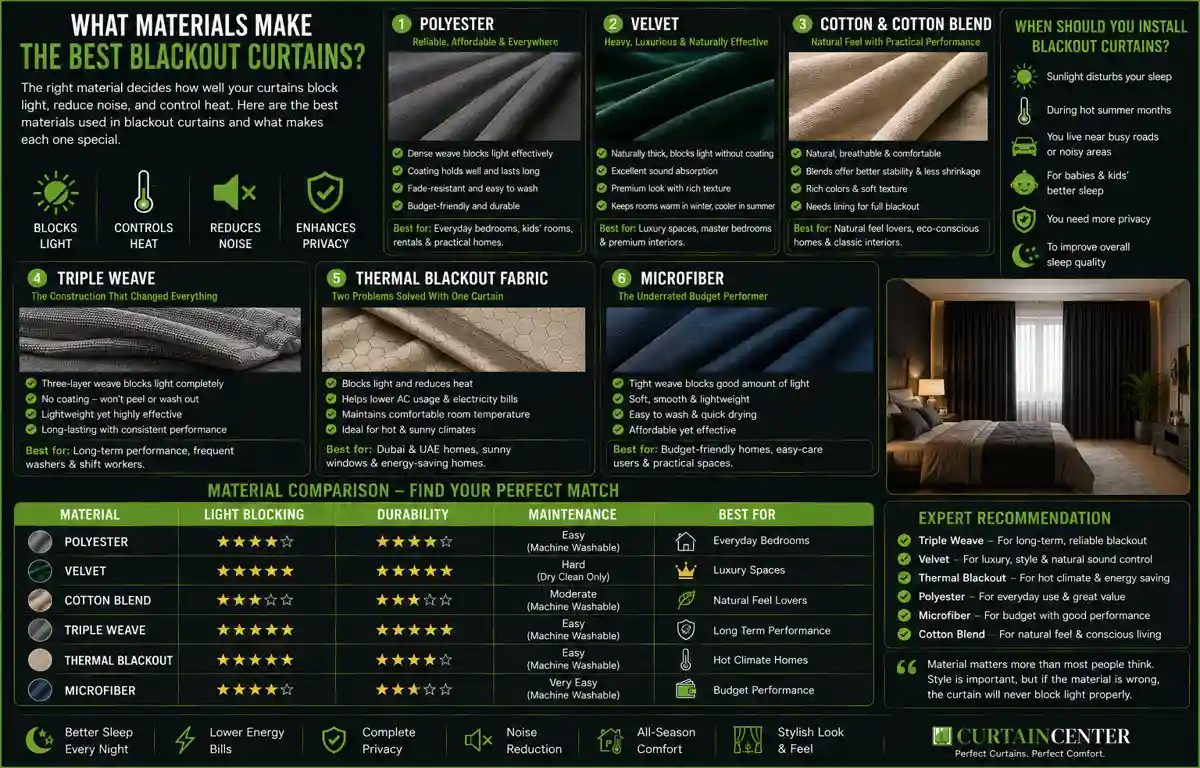
The Six Materials That Actually Matter
The blackout curtain market is full of fabrics claiming performance that they cannot deliver consistently across real-world use. These six materials are the ones that genuinely earn their reputation through construction quality and real light blocking performance rather than marketing language.
-
Polyester — Reliable, Affordable, and Everywhere
Polyester took over the blackout curtain market for a simple reason, it does the job really well without costing too much. Most homeowners can afford it easily without having to cut back on other things. It takes blackout coating well, blocks light properly, and holds up through regular washing and years of daily use without any drop in performance.
Polyester Blackout Performance
- Dense weave structure minimizes light transmission through the fabric body itself
- Takes foam-backed and acrylic blackout coating evenly across the entire panel surface
- Colorfast and fade-resistant, even under significant direct sunlight exposure over time
- Machine washable without losing blackout performance when a quality coating is used
Best Polyester Blackout Applications
- Every day bedroom use where reliable performance and easy care are the primary priorities
- Children’s rooms and nurseries require consistent daily darkness for healthy sleep
- Rental properties needing durable, low-maintenance curtain solutions between tenancies
- Anyone prioritizing blackout performance over premium material feel and aesthetics
-
Velvet — Heavy, Luxurious, and Naturally Effective
What makes velvet different is that it blocks light all on its own without any coating or lining. This only applies to premium quality velvet. Regular or budget velvet is much thinner and lighter so it cannot block light on its own. The thicker and denser the velvet pile, the better it naturally keeps light out without any coating. Light cannot push through it easily at all. It also looks genuinely beautiful, has that rich heavy feel when you touch it, and does a great job absorbing sound too. For anyone who wants performance and luxury together in one curtain, velvet is simply the best choice.
Velvet Blackout Advantages
- Natural pile density blocks light without relying on a coating that degrades over time
- Exceptional sound absorption reduces external noise alongside light blocking performance
- Natural thermal weight keeps rooms warmer in winter and helps maintain cooler temperatures in summer
- Premium drape and hang quality that lighter fabrics cannot replicate, regardless of Price point
Velvet Blackout Curtain Considerations
- Significantly higher price than synthetic blackout alternatives across comparable quality levels
- Dry clean only requirement adds ongoing maintenance cost across the product lifetime
- Very heavy-weight requires professional-grade curtain poles and robust wall fixings
- Rich formal appearance suits specific interior styles rather than all bedroom aesthetics equally
-
Cotton and Cotton Blend — Natural Feel with Practical Performance
A lot of homeowners love cotton because it feels natural and is kinder to the environment. The only thing is pure cotton needs an extra blackout lining to actually keep the light out. But cotton polyester blends solve that problem nicely. You get most of the natural warmth and breathability of cotton along with better stability and much improved light blocking without needing anything extra.
Cotton Blackout Fabric Benefits
- Natural breathable material feels more premium and organic than pure synthetic options
- Rich color depth from natural dye absorption creates more vibrant and lasting color results
- Cotton blend versions shrink less and maintain shape better than Pure cotton Curtain alternatives
- More environmentally responsible material choice for sustainability-conscious homeowners
Cotton Blackout Fabric Limitations
- Pure cotton needs separate blackout lining and the fabric alone does not achieve genuine darkness
- Higher susceptibility to shrinkage than polyester if the washing temperature recommendations are ignored
- Generally costs more than equivalent polyester options at comparable quality tiers
- Less moisture resistant than synthetic alternatives in humid room environments
-
Triple Weave — The Construction That Changed Everything
If there is one technology worth knowing about in blackout curtains right now it is triple weave. Regular coated curtains start breaking down after washing and slowly lose their ability to block light. Triple weave works completely differently by locking three yarn layers together inside the fabric itself. No coating means nothing to crack or peel. With the right care routine the blackout performance remains strong and dependable wash after wash for years of everyday use.
Triple Weave Technical Advantages
- Blackout performance is structural rather than applied, it cannot wash out or peel away
- Lighter weight than velvet while delivering comparable genuine blackout performance levels
- Maintains consistent room-darkening effectiveness across the entire usable product lifespan
- No coating means no cracking, no peeling, and no white flaking residue after washing
Triple Weave Ideal Users
- People who wash curtains frequently and need performance that survives repeated washing cycles
- Shift workers and medical professionals who require reliable complete darkness for daytime sleep
- Anyone previously disappointed by coated blackout curtains that degraded after several washes
- Homeowners wanting permanent blackout performance without premium velvet pricing or maintenance
-
Thermal Blackout Fabric — Two Problems Solved With One Curtain
The best new development in blackout curtain materials is thermal blackout fabric and it makes a lot of sense for anyone living in Dubai or the UAE. Most blackout curtains just block light. Thermal blackout fabric goes further by also reducing the heat coming in through your windows. Less heat coming through your windows means your AC does not have to work quite as hard. It will not transform your electricity bill overnight but over time every little bit of heat reduction does make some difference.
Thermal Blackout Combined Benefits
- Simultaneously blocks light and reduces solar heat gain through glass in one panel
- Reduces air conditioning running time and cost in warm sunny climates measurably
- Maintains more consistent room temperature between day and night throughout the year
- Reduces condensation and cold glass surface effect in cooler winter months
Thermal Blackout Best Applications
- Dubai and UAE bedrooms where afternoon sun creates both light and uncomfortable heat problems
- Any room with south or west facing windows receiving direct intense afternoon sunlight
- Homeowners wanting to reduce electricity consumption without major window system upgrades
- Properties with older single glazed windows where thermal performance is a daily concern
-
Microfiber — The Underrated Budget Performer
Microfiber does not get nearly enough credit in blackout curtain conversations. Microfiber weave is tight and blocks a good amount of light but it is not naturally blackout on its own. To get proper darkness you still need a blackout lining or coating added to the fabric. On top of that it feels genuinely soft and nice when you touch it, and it is priced much lower than velvet or triple weave which makes it a really smart buy. For anyone who wants real blackout performance and a quality feeling curtain without breaking the bank, microfiber is absolutely worth considering seriously.
Microfiber Blackout Benefits
- Extremely tight fine weave creates dense fabric that blocks light effectively without heavy weight
- Soft premium feel that belies its affordable price point across most retail ranges
- Machine washable and quick drying — practical advantage over velvet and some cotton options
- Lightweight enough for standard curtain poles while still hanging with good natural drape
The Complete Material Comparison
| Material | Light Blocking | Durability | Maintenance | Best For |
| Polyester | Excellent | Very Good | Easy | Everyday bedrooms |
| Velvet | Excellent | Excellent | Dry clean | Luxury spaces |
| Cotton Blend | Good | Good | Moderate | Natural feel lovers |
| Triple Weave | Outstanding | Outstanding | Easy | Long term performance |
| Thermal Blackout | Excellent | Very Good | Easy | Hot climate homes |
| Microfiber | Very Good | Good | Very Easy | Budget performance |
Final Recommendation
- Choose triple weave if long term consistent performance without degradation is your absolute priority
- Choose velvet if luxury appearance and natural sound absorption matter alongside light blocking
- Choose thermal blackout if you live in Dubai or any hot climate where heat control is equally important
- Choose polyester foam backed if reliable everyday performance at an accessible price is what you need
- Choose microfiber if budget is tight but you refuse to compromise on genuine blackout results
- Choose cotton blend if natural material feel and environmental considerations drive your decision
Material matters more than most people think. Style is important too but if the material is wrong the curtain will never block light properly no matter how good it looks.
Frequently Asked Questions
What is the best material for blackout curtains?
The best materials for blackout curtains include polyester, triple-weave fabric, velvet, and thermal-lined cotton. These fabrics effectively block sunlight, improve privacy, and help regulate indoor temperatures.
2. Are polyester blackout curtains better than cotton?
Yes, polyester blackout curtains are generally more durable, moisture-resistant, and easier to maintain than cotton. They also provide excellent light-blocking performance at a more affordable price.
3. Do thicker blackout curtain materials block more light?
Yes, thicker materials such as velvet and triple-weave polyester usually block more light and provide better insulation. However, high-quality blackout linings can also achieve near-total darkness with lighter fabrics.
4. Which blackout curtain material is best for Dubai’s climate?
For Dubai’s hot climate, thermal-lined polyester blackout curtains are an excellent choice. They help reduce heat transfer, block harsh sunlight, and improve indoor energy efficiency throughout the year.
5. How do I choose the right blackout curtain material for my home?
Choose a material based on your room’s needs. Polyester is ideal for everyday use, velvet offers a luxurious appearance with superior insulation, while thermal-lined fabrics are perfect for bedrooms and living spaces that receive direct sunlight.
Related Curtains Guide 👇:
- How to Maintain Blackout Curtains in UAE Heat
- How To Choose The Best Blackout Curtains In Dubai?
- Why Blackout Curtains Are Ideal For Dubai Homes
- When Should You Install Blackout Curtains in Bedrooms?
- Where to Buy Premium Blackout Curtains in Dubai
- How to Choose the Best Blackout Curtains in UAE Homes
- Why Blackout Curtains Are Ideal for Dubai Bedrooms